Starting a new digital project often feels like shouting into a void. You spend weeks crafting the perfect layout, writing high-quality content, and ensuring every technical detail is optimised for search engines. Yet, for the first few months, your traffic stats likely resemble a flat line. This frustrating period is often referred to as the Google Sandbox, a time when search engines are hesitant to trust a brand-new domain name. It is during this slow start that many savvy digital marketers and entrepreneurs decide to buy aged domains to bypass the initial struggle.
An aged domain is not just a URL that has been around for a few years. It is a digital asset that carries historical weight, established authority, and, most importantly, a pre-existing backlink profile. When you purchase a domain that has already been indexed and trusted by search engines, you are essentially inheriting its reputation. This allows you to launch a site that can rank for competitive keywords much faster than a fresh registration ever could. It is a strategic move that treats time as a resource you can acquire rather than just wait for.

Why authority and trust matter more than ever
Search engines have become incredibly sophisticated at identifying which websites are reliable sources of information. They look for signals of Expertise, Authoritativeness, and Trustworthiness (E-A-T). For a brand-new domain, these signals are non-existent. You have to build them from the ground up, which involves an intensive and often expensive link-building campaign. However, when you choose to buy aged domains, you are starting with a foundation that already possesses these signals.
The value of an aged domain often lies in its backlink profile. These are links from other reputable websites that have pointed to the domain over several years. These links act as votes of confidence in the eyes of Google. If a domain has links from major news outlets, educational institutions, or well-known industry blogs, that authority is passed on to the new content you publish. This means your articles are more likely to be crawled quickly and ranked higher in the search engine results pages (SERPs) from day one.
The benefits of skipping the sandbox
The most immediate advantage of using an aged domain is the ability to skip the aforementioned sandbox period. This phase can last anywhere from three to twelve months, during which Google essentially tests your site to see if it is a legitimate project or a low-quality spam site. For a business, this delay represents lost revenue and missed opportunities. By using an older domain, you demonstrate to search engines that the site has a history, making them more likely to rank your content immediately.
- Faster indexing of new content and pages.
- Higher initial rankings for long-tail keywords.
- A pre-existing flow of referral traffic from old backlinks.
- Improved chances of ranking for high-competition terms sooner.
How to properly vet an aged domain
Not all aged domains are created equal. In fact, buying the wrong one can be detrimental to your SEO efforts. If a domain was previously used for spam, or if it has a history of manual penalties from Google, it could be more of a liability than an asset. This is why a thorough vetting process is essential before you commit to a purchase. You need to look beyond the age and examine the actual quality of the domain’s history.
One of the first things to check is the domain’s archive history. Tools like the Wayback Machine allow you to see what the website looked like in the past. If the site was previously a legitimate business or a genuine blog in a niche related to yours, it is a great candidate. However, if you see that it was turned into a link farm or used for questionable content, you should probably stay away. You want a clean history that aligns as closely as possible with your intended use.
Key metrics to analyse before buying
When you prepare to buy aged domains, you should have a checklist of metrics to ensure you are getting a high-quality asset. While third-party metrics like Domain Authority (DA) or Trust Flow (TF) are useful indicators, they should not be the only factors you consider. You need to dig deeper into the actual link profile to see where the authority is coming from.
- Backlink Quality: Are the links coming from real, high-traffic websites or low-quality directories?
- Anchor Text Diversity: Is the anchor text natural, or does it look like it was over-optimised for specific keywords?
- Niche Relevance: Does the domain have a history in a niche similar to yours? While not always mandatory, it helps significantly.
- Search Visibility History: Did the domain previously rank for relevant terms, or was it invisible?
The technical side of transitioning an aged domain
Once you have acquired an aged domain, the way you set it up will determine how much of its original power you retain. Some people choose to build a completely new site on the domain, while others use it to redirect to an existing project. If you are building a new site, it is often a good idea to try and recreate some of the old URLs that had the strongest backlinks. By doing this and then implementing 301 redirects to your new content, you ensure that the link equity is preserved and directed to the right places.
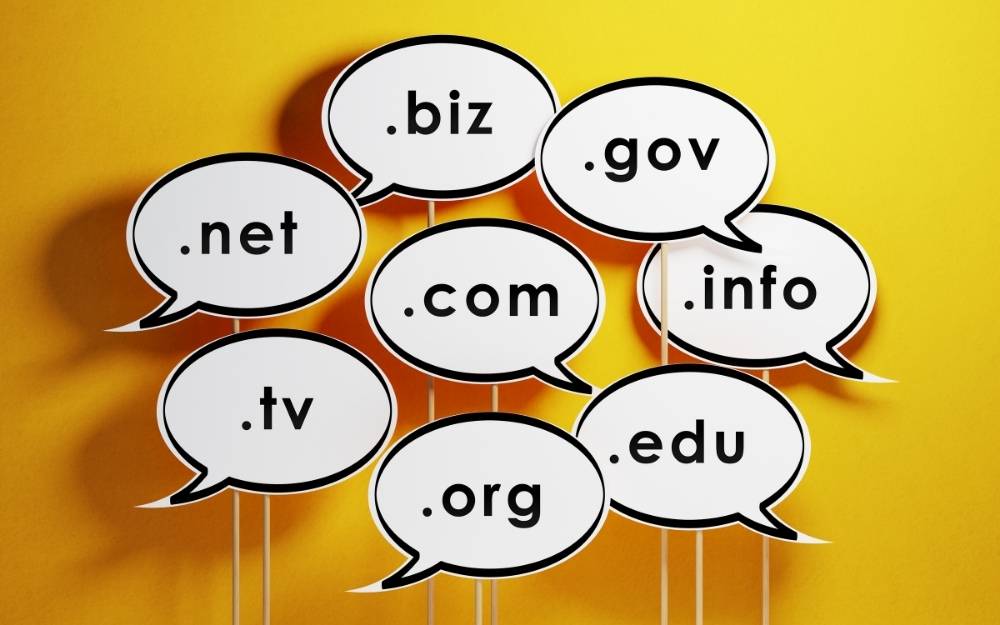
It is also important to monitor the site closely in Google Search Console after the transition. You want to see how Google reacts to the new content. If you have done your due diligence and the domain has a clean, authoritative history, you should see your pages being indexed almost instantly. This is the moment where the investment truly pays off, as you watch your site climb the rankings at a speed that would be impossible with a brand-new .com or .co.uk registration.
Finding a reliable source for your domains
The market for aged domains can be a bit of a minefield if you don’t know where to look. There are many marketplaces and private sellers, but the quality varies wildly. Some sellers might try to hide a domain’s shady past or inflate its metrics using temporary link schemes. This is why it is vital to work with reputable providers who specialise in sourcing and vetting these assets. A professional service will have already done the heavy lifting, checking for penalties and ensuring the backlink profile is genuine and sustainable.
When you work with experts, you are not just buying a name; you are buying peace of mind. They understand the nuances of SEO and can provide domains that have been carefully selected for their growth potential. This allows you to focus on what you do best—creating content and growing your business—while the domain’s established authority handles the heavy lifting of gaining search engine trust. Whether you are an affiliate marketer, a small business owner, or an SEO professional, the decision to buy aged domains is a proven way to accelerate your path to digital success.