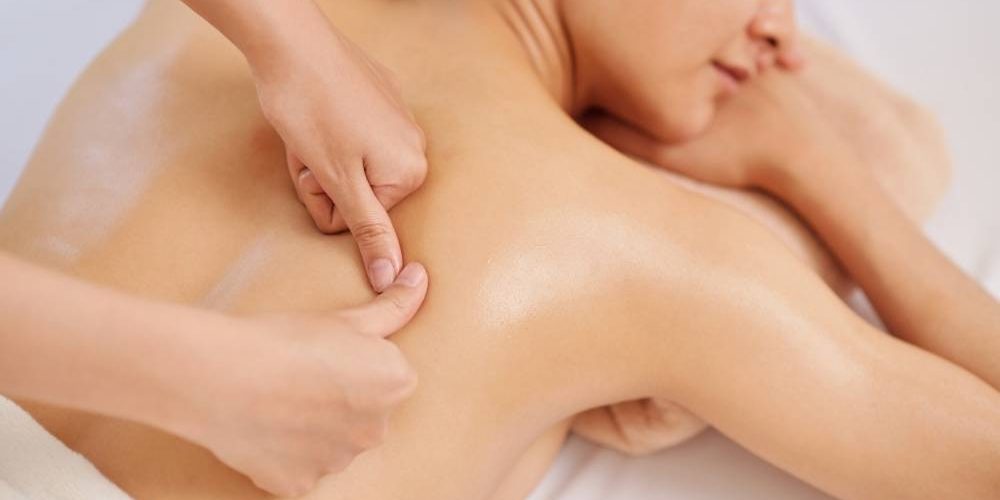
Living in a vibrant city like Glasgow means we are always on the move. Whether you are commuting into the city centre for work, navigating the busy shops on Buchanan Street, or spending your weekends hiking in the nearby Trossachs, your body is constantly under pressure. However, for many of us, the real damage doesn’t happen when we are active; it happens when we are stationary. The modern lifestyle, dominated by desks, laptops, and smartphones, has created a literal pain in the neck—and the back.
We often don’t realise how much tension we hold in our posterior chain until it starts to manifest as a dull ache or a sharp twinge. This is why so many people are looking for a professional back massage Glasgow to help reset their physical health. It is not just about a bit of pampering; it is about addressing the physiological toll that modern life takes on our muscles and joints. When we sit for hours, our hip flexors tighten, our shoulders round forward, and our lower back muscles are forced to overcompensate, leading to chronic discomfort that can affect our sleep, our mood, and our productivity.
The reality of the office slouch
If you spend your day in front of a computer, you are likely familiar with the ‘office slouch’. This posture puts an immense amount of pressure on the lumbar spine and the muscles surrounding the shoulder blades. Over time, these muscles become fatigued and develop ‘knots’ or trigger points. These are essentially areas of muscle tissue that have become stuck in a state of contraction, restricting blood flow and causing referred pain elsewhere in the body.
A targeted treatment can help break this cycle. By applying specific pressure and using various techniques, a therapist can encourage these muscle fibres to release, restoring normal blood flow and allowing the body to begin the healing process. Many Glaswegians are finding that a regular session is the only thing that keeps the ‘tech neck’ and lower back stiffness at bay.
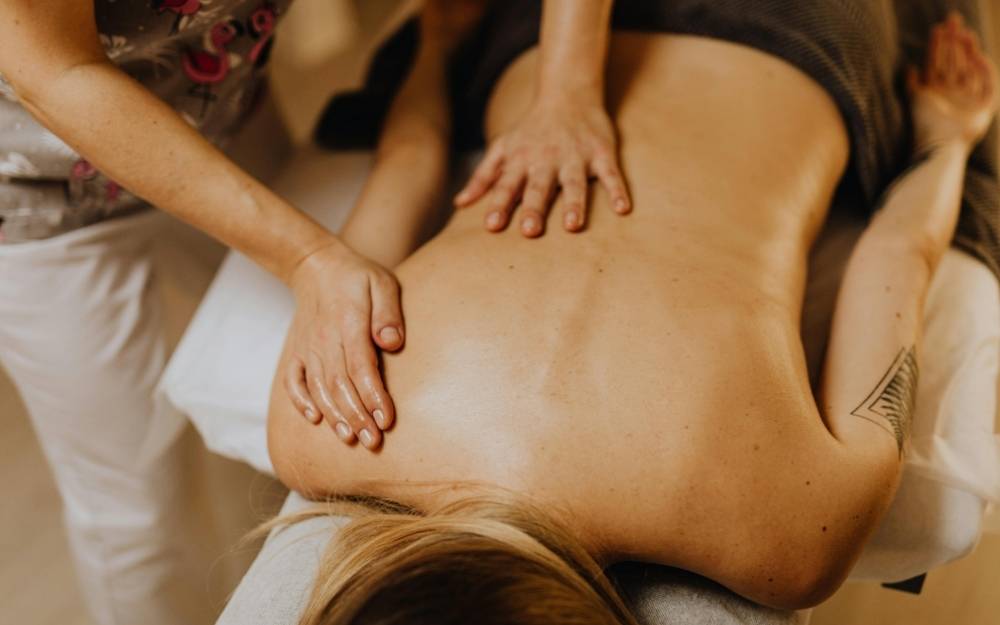
How a professional back massage Glasgow can actually help
It is easy to dismiss a massage as a luxury, but the physiological benefits are well-documented. When you book a back massage glasgow, you are investing in your long-term mobility. The process involves more than just rubbing the skin; it involves the manipulation of soft tissues to achieve specific therapeutic goals.
There are several physical benefits that come with professional intervention:
- Improved Circulation: The physical manipulation of the muscles encourages blood to flow more freely, bringing oxygen and essential nutrients to damaged tissues.
- Reduced Muscle Tension: Chronic tension can lead to decreased flexibility. Massage helps to lengthen the muscle fibres and improve your overall range of motion.
- Endorphin Release: Massage stimulates the nervous system to release ‘feel-good’ hormones, which act as natural painkillers and mood elevators.
- Postural Correction: By releasing the muscles that pull the body out of alignment, it becomes much easier to maintain a healthy, upright posture throughout the day.
Beyond the physical, there is a significant mental health component. In a world that is always ‘on’, having forty-five minutes or an hour where you are forced to disconnect and focus on your physical sensations can be incredibly grounding. It lowers cortisol levels, the body’s primary stress hormone, which in turn helps to reduce anxiety and improve sleep quality.
Choosing the right type of treatment for your needs
Not all massages are created equal. Depending on whether you are recovering from a sports injury, dealing with chronic stress, or simply feeling a bit stiff, you might require a different approach. A good clinic will assess your needs before the session begins to ensure the pressure and technique are appropriate for your specific issues.
Deep tissue vs. Swedish massage
For those with significant knots and chronic tension, a deep tissue approach is often the most effective. This involves slower, firmer strokes that target the deeper layers of muscle and connective tissue. It can be slightly uncomfortable at times, but the relief felt in the following days is often profound. On the other hand, if you are looking to de-stress and improve general circulation, a Swedish massage uses lighter pressure and more rhythmic movements to promote relaxation.
Sports massage for the active Glaswegian
If you spend your time running around Kelvingrove Park or training in one of the city’s many CrossFit boxes, a sports massage might be more your speed. This isn’t just for professional athletes; it’s for anyone who uses their body intensely. This type of treatment focuses on preventing injury and improving performance by addressing specific areas of strain related to your chosen activity. It often involves stretching and more vigorous techniques than a standard relaxation massage.
What a typical session feels like
If you have never had a professional treatment before, you might be unsure of what to expect. Usually, the session begins with a short consultation where you can discuss any areas of pain or concern. The therapist will then leave the room to allow you to get comfortable on the massage table. During the treatment, communication is key; you should always feel comfortable telling your therapist if the pressure is too much or if you would like them to focus more on a specific area like the lower back or the tops of the shoulders.
The environment is designed to be calming, often with soft lighting and a quiet atmosphere. This helps to shift your nervous system from ‘fight or flight’ mode into ‘rest and digest’ mode. By the end of the session, it is common to feel a bit light-headed or ‘spacey’—this is a sign that your body has deeply relaxed. It is important to drink plenty of water afterwards to help flush out any metabolic waste products that were released from the muscles during the session.
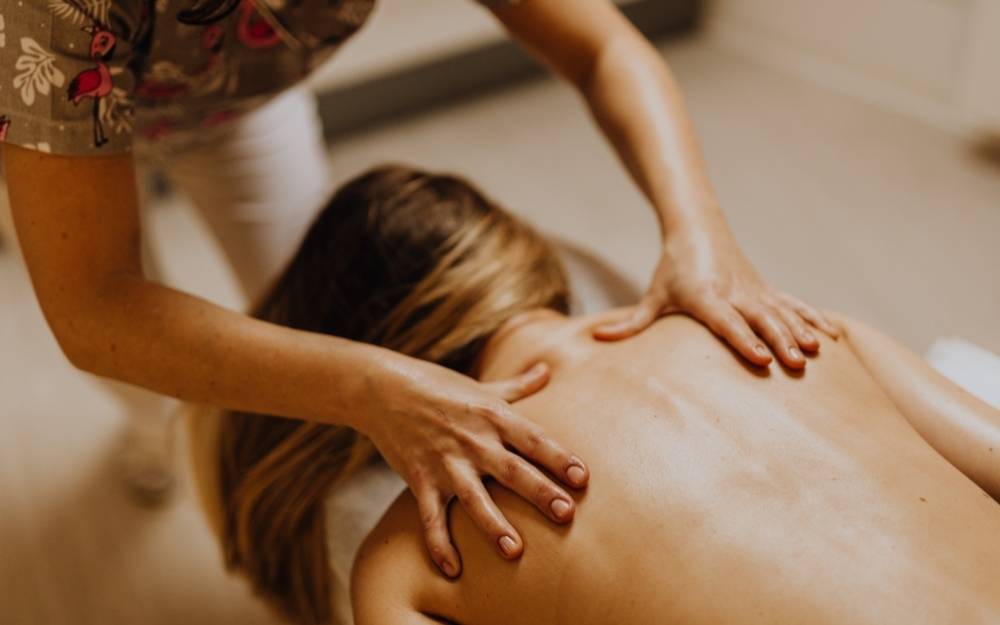
Making the most of your recovery time
To get the most out of your session, what you do afterwards is just as important as the massage itself. Think of the treatment as a ‘reset’ button; how you treat your body in the following 24 to 48 hours will determine how long the benefits last. Many people find that they feel a bit sore the next day, similar to the feeling after a good workout. This is perfectly normal and is simply a sign that the muscles have been worked deeply.
Here are a few tips to ensure you get the best results:
- Stay Hydrated: Water is essential for helping the body process the changes made during the treatment.
- Gentle Movement: Avoid heavy lifting or intense gym sessions immediately after a massage. Instead, opt for a gentle walk or some light stretching.
- Heat Therapy: A warm bath with Epsom salts can help to further relax the muscles and soothe any lingering soreness.
- Listen to Your Body: If you feel tired, allow yourself to rest. Your body does its best healing when you are asleep.
Finding a local clinic that understands the specific needs of people living and working in the city is vital. Whether you are dealing with the fallout of a long commute or the strain of a physical job, taking the time to address those aches and pains is one of the best things you can do for your overall well-being. Regular maintenance is far more effective than waiting until you are in crisis mode, so making a session part of your regular self-care routine can prevent small niggles from turning into long-term problems.